
Does your facility face unexpected downtime due to aging electrical infrastructure that struggled to keep pace with modern production demands? How much time and capital are lost when coordinating multiple vendors just to get a single low-voltage distribution system online? For many industrial operators, the power distribution room remains a source of hidden inefficiency, characterized by fragmented components and complex onsite assembly.
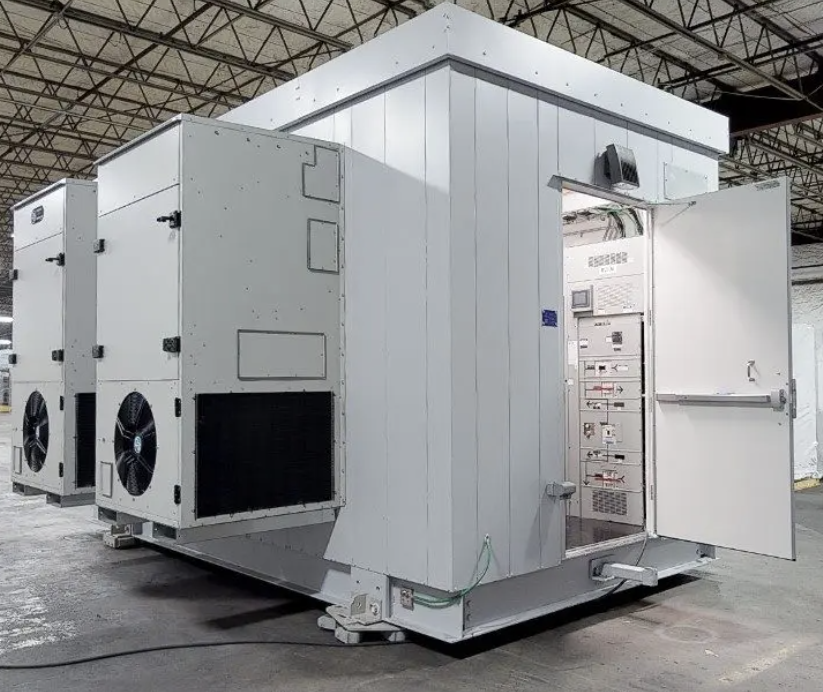
In environments like heavy manufacturing plants, mining sites, and large-scale commercial parks, the requirements for power are uncompromising. These facilities demand high reliability, continuous operation under harsh conditions, and the flexibility to expand as the business grows. Traditional methods of assembling low-voltage panels—where components are sourced separately and integrated manually on-site—often fall short of these needs. They frequently result in long installation periods, low system integration, and complicated maintenance cycles. To address these challenges, a shift is occurring toward a more holistic approach: the Industrial Grade LV Distribution Panel Turnkey Substation Solution. This integrated paradigm, championed by specialized manufacturers like CHSH, offers a pre-engineered alternative to traditional piecemeal installations, ensuring that the transition from high-voltage intake to low-voltage delivery is seamless, safe, and efficient.
Deep Analysis of the Industrial Grade LV Distribution Panel Turnkey Substation Solution
An integrated turnkey substation represents a significant leap in electrical engineering. Unlike a standard “box” of switches, this solution is a fully coordinated system. It encompasses everything from the transformer interface and the main low-voltage distribution panels to the sophisticated monitoring and protection relays required for industrial safety. In a typical distribution substation, the focus is on “plug-and-play” readiness. By housing the low-voltage distribution panels within a controlled, prefabricated environment—often a weather-resistant enclosure—the system is shielded from the dust, humidity, and temperature fluctuations common in industrial settings.
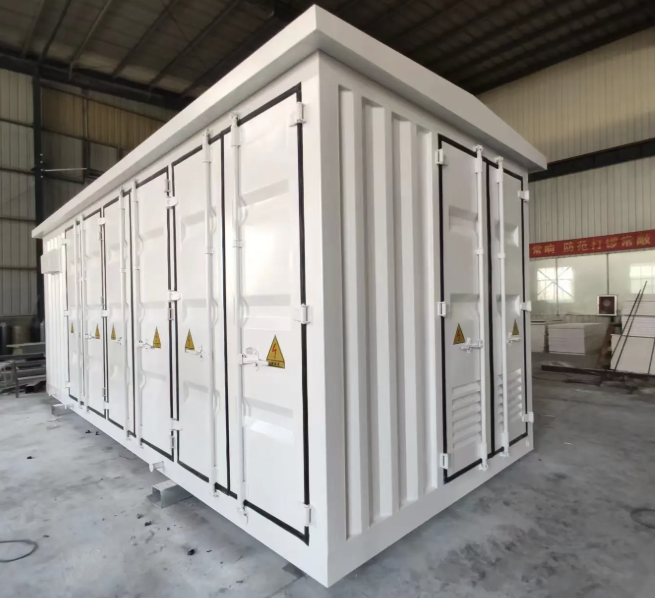
This industrial grade lv distribution panel turnkey substation is designed for diverse applications. Whether it is supporting a manufacturing line with high-precision machinery or managing the power load for a sprawling residential complex, the core philosophy remains the same: centralization. By integrating high and low voltage switchgear with advanced components like environmental protection gas ring main units and intelligent solid insulated ring main units, the turnkey solution provides a robust bridge between the grid and the end-user. This centralized architecture allows for much higher levels of internal safety, such as arc-flash protection and automated thermal monitoring, which are difficult to implement consistently across traditional, scattered panel setups.
CHSH vs. Traditional Panels: A Comparative Analysis
When evaluating the turnkey substation project model against traditional onsite panel assembly, several critical factors emerge that define the long-term success of an industrial power project.
• System Integration and Reliability
Traditional panels are often a “best-fit” assembly of parts from various manufacturers, leading to potential compatibility issues. In contrast, CHSH leverages its history as an excellent supplier to the State Grid of China to ensure that every component—from the transformers to the fully insulated inflatable cabinets—is designed to work in harmony. This factory-level integration eliminates the weak links inherent in manual field wiring, significantly boosting the overall reliability of the industrial grade lv distribution panel turnkey substation.
• Project Timeline and Cost Efficiency
Time is a major differentiator. A traditional installation requires weeks of onsite work, including mounting panels, wiring, and testing in often-unpredictable field conditions. A turnkey solution moves this labor into a controlled factory environment. By the time the unit arrives at the site, it is 90% complete. This “factory-to-foundation” approach can reduce onsite installation time by more than half, drastically lowering labor costs and minimizing the risk of project delays.
• Flexibility and Scalability
Industrial facilities are rarely static. Traditional distribution rooms are notoriously difficult to expand once the walls are built and the cables are laid. However, the modular nature of a modern distribution substation allows for easier scaling. Because the internal layout is optimized for space, adding new low-voltage circuits or upgrading to more intelligent monitoring systems can be done with minimal disruption to existing operations.
• Physical Footprint and Layout
In many urban or established industrial zones, space is at a premium. Traditional distribution setups require significant clearance for separate components. An integrated turnkey substation consolidates these elements into a compact, optimized footprint. This not only saves valuable real estate but also simplifies the civil engineering requirements, as only a single concrete pad is typically needed rather than an entire dedicated building.
Application Scenarios and Strategic Customer Value
The versatility of the industrial grade lv distribution panel turnkey substation makes it the preferred choice for sectors where power failure is not an option.
• Industrial and Mining Operations: In the high-dust and high-vibration environments of mines or heavy machinery plants, the fully sealed and insulated cabinets within the substation provide a level of protection that open-frame traditional panels cannot match.
• Infrastructure and Utilities: For public works and smart city projects, the use of environmental protection gas ring main units aligns with modern sustainability goals while maintaining the high standards of the State Grid of China.
• Commercial and Residential Complexes: Prefabricated substations allow developers to deploy power infrastructure quickly in new residential districts, ensuring that electricity is available as soon as the buildings are completed.
The core value for the customer lies in the reduction of total cost of ownership. By investing in a high-quality turnkey substation project, operators save money not just on the initial installation, but throughout the life of the equipment. Simplified maintenance, reduced risk of fire or electrical faults, and the longevity provided by professional R&D and after-sales service ensure that the facility remains productive for decades.
The Modern Standard for Industrial Power
Established in 2001 and headquartered in the electrical capital of Yueqing City, Zhejiang Province, Shenheng Power Equipment Co., Ltd. (CHSH) has spent over two decades refining the components that make these systems possible. Specializing in high and low voltage switch transmission and distribution equipment, the company’s expertise is backed by a strong technical R&D team and a comprehensive after-sales system.
Ultimately, the choice of a turnkey substation project represents a shift toward professionalized, system-oriented engineering. It is an acknowledgment that in the modern industrial landscape, power distribution is not just a utility—it is a strategic asset. By moving away from fragmented, traditional panel installations and toward integrated, industrial-grade solutions, companies can ensure their infrastructure is as innovative as the products they manufacture. This model of construction is more efficient, more reliable, and better suited to the challenges of the current global energy market.
For more information on high and low voltage distribution solutions, please visit: https://www.shenhengpower.com/.
Post time: Jun-08-2026